| Brand Name: | Allen Bradley |
| Model Number: | 1785-L60L |
| MOQ: | 1 |
| Price: | Negotiation |
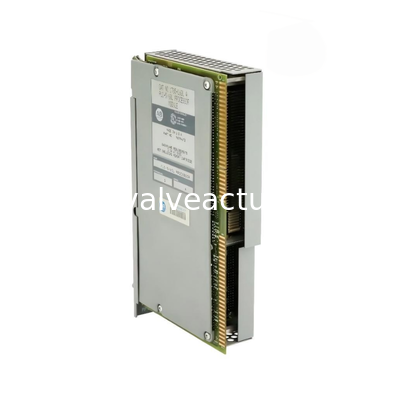
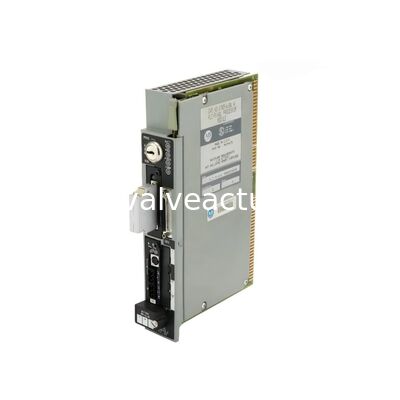
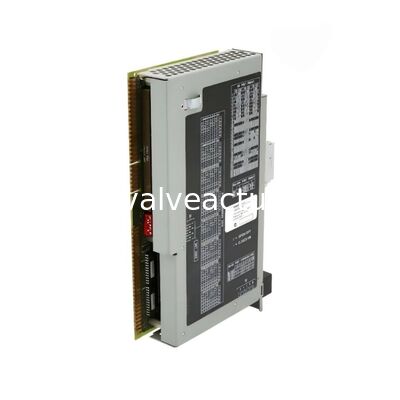
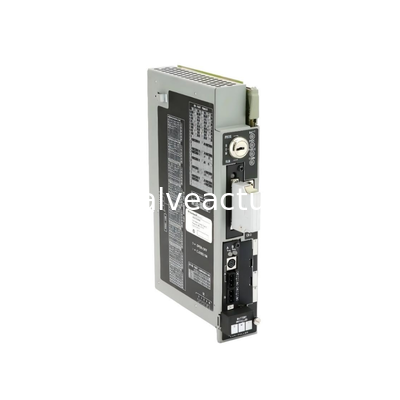
The Allen Bradley 1785-L60L PLC-5/60 Processor Module is an industrial control component designed for compatible PLC-5 automation installations. As the central processing element of a programmable logic control system, a processor executes programmed instructions, evaluates incoming information, and coordinates control actions across connected equipment. This makes it an important part of industrial systems that depend on consistent machine operation, organized process management, and dependable control logic.
Many manufacturing facilities continue to operate established automation platforms that perform essential functions throughout their production environments. Maintaining these systems requires suitable components that align with the original equipment architecture. The Allen Bradley 1785-L60L can be considered for appropriate maintenance, restoration, and replacement projects involving compatible PLC-5 installations.
By supporting programmed control operations, the processor helps coordinate interactions between field devices, I/O modules, and other components within the configured automation system. Its role is particularly relevant where preserving existing machine functionality and maintaining established operating procedures are important priorities.
Programmable logic controllers provide a structured way to automate repetitive industrial tasks. A processor interprets application logic and determines how the control system should respond to incoming signals and operating conditions. These decisions can govern equipment sequences, production stages, machine interlocks, and other functions defined by the control program.
The Allen Bradley 1785-L60L PLC-5 processor is intended for compatible industrial control applications that rely on the PLC-5 platform. Within a properly configured system, it supports the execution of established control logic and helps coordinate the activities of connected equipment.
This centralized approach enables manufacturers to maintain repeatable machine behavior and organize interactions between different stages of a production process. It also provides a framework for engineers to investigate operating conditions and maintain the control logic responsible for equipment performance.
Industrial automation installations often contain interconnected controllers, input and output modules, operator interfaces, communication equipment, and field devices. Each component contributes to the overall control architecture, making compatibility an important consideration during maintenance or system modification.
The 1785-L60L may be suitable for installations designed around compatible PLC-5 hardware and software. Before selecting this processor, engineers should review the following:
These checks are particularly important when replacing an existing processor. A replacement must fit the intended application and support the established control arrangement rather than simply match the product family. Careful planning helps reduce commissioning difficulties and limits unnecessary disruption to connected equipment.
For system integrators, maintaining clear records of processor configurations and program revisions can also simplify future maintenance and troubleshooting activities.
Consistent control execution is essential in production environments where machine operations must follow defined procedures. A properly maintained processor helps the automation system carry out programmed tasks and coordinate connected components according to the intended application.
The Allen Bradley PLC-5 platform has been used in a range of industrial control environments, including:
The suitability of the 1785-L60L depends on the specific control requirements and existing system design.
For facilities operating legacy automation equipment, preserving the original control architecture may be important for maintaining production continuity. Selecting appropriate replacement components and verifying their compatibility can help maintenance teams address equipment issues while avoiding unnecessary redesign.
Processor-related faults or configuration problems can affect the operation of an entire control system. A systematic diagnostic process helps technicians investigate potential causes, review controller status, and determine whether the issue relates to the processor, program, communication path, or connected hardware.
When maintaining a compatible PLC-5 installation, personnel should follow established procedures for reviewing system diagnostics, checking connections, confirming program records, and verifying the condition of associated components. Any replacement or configuration change should be completed by qualified personnel using the applicable technical documentation.
The 1785-L60L may also be considered for spare-parts planning where compatible systems remain in service. Accurate identification and advance compatibility checks can help organizations prepare for maintenance requirements and manage the risks associated with aging automation equipment.
Legacy control systems can remain operationally important even as industrial technology continues to evolve. Effective lifecycle management involves evaluating equipment condition, documenting system dependencies, maintaining suitable spare parts, and planning upgrades carefully.
For organizations using PLC-5 infrastructure, the Allen Bradley 1785-L60L represents a component to assess when maintaining or restoring an established control installation. Engineers should also consider the long-term availability of compatible hardware, software support, and technical expertise when planning future automation investments.
The Allen Bradley 1785-L60L PLC-5/60 Processor Module is designed for compatible programmable logic control applications requiring coordinated execution of industrial control programs. It may be considered for suitable equipment maintenance, legacy system support, and processor replacement projects.
Verifying hardware and software compatibility, preserving accurate configuration records, and following appropriate installation procedures are essential steps when working with established PLC-5 systems. With careful evaluation and professional maintenance, organizations can better manage existing automation infrastructure and support consistent industrial operations.