| Brand Name: | Schneider |
| Model Number: | LMC101CAA10000 |
| MOQ: | 1 |
| Price: | Negotiation |
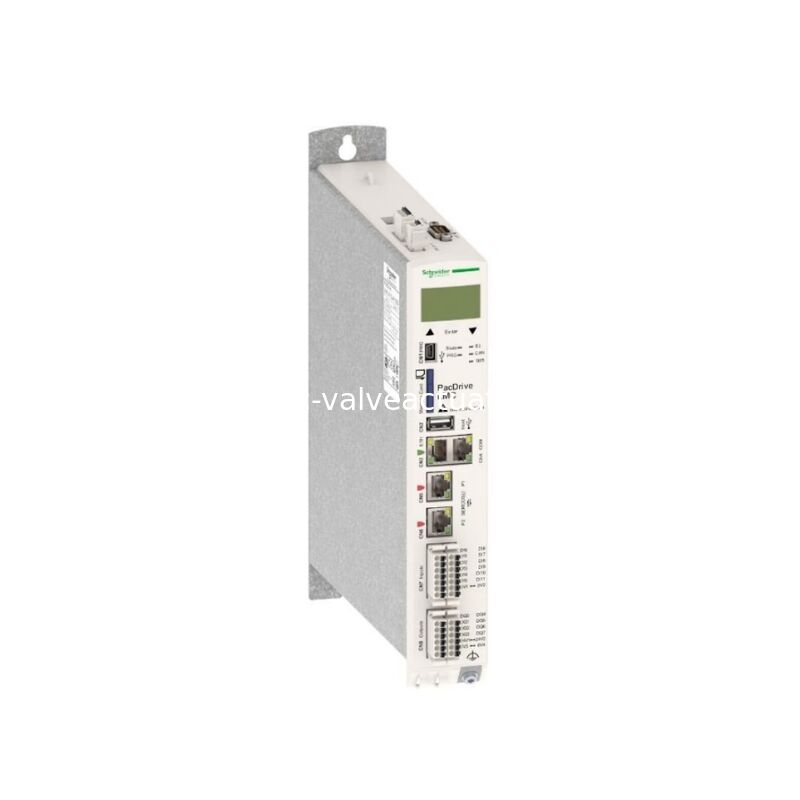
The Schneider Electric LMC101CAA10000 Motion Controller is engineered to support precise motion coordination and automated machine operation in modern industrial environments. As part of Schneider Electric's motion control portfolio, it is intended for applications where controlled movement, synchronized equipment behavior, and dependable machine performance are essential. It provides a robust control solution for manufacturers and system integrators seeking to improve the coordination of motion-related processes within their automation systems.
| Product Name | Schneider Electric LMC101CAA10000 Motion Controller |
|---|---|
| Product Type | Motion Controller |
| Power Consumption | 30 W |
| Brand | Schneider Electric |
| Primary Function | Precise motion coordination and automated machine operation |
| Typical Applications | Packaging, assembly, material handling, production lines, and specialized manufacturing equipment |
Motion control is a critical component of industrial automation, particularly in applications involving positioning, repetitive movement, and coordinated mechanical operations. Machines used in packaging, assembly, material handling, and specialized manufacturing often require accurate control of movement to maintain consistent product quality and production efficiency.
The Schneider Electric LMC101CAA10000 helps manage motion-related operations within a compatible automation architecture. By coordinating control instructions with suitable drive and mechanical systems, a motion controller can support repeatable machine behavior and organized production sequences.
This functionality is especially valuable in applications where multiple machine actions must occur in a planned order. Effective motion coordination helps engineers develop automated processes that operate consistently and respond appropriately to changing production requirements.
Modern manufacturing equipment combines motion controllers, servo drives, motors, sensors, operator interfaces, and supervisory control components. These devices work together to execute programmed tasks and maintain the intended operation of the machine.
The LMC101CAA10000 can serve as part of an integrated motion control solution, helping coordinate compatible equipment according to the requirements of the application. Successful integration depends on the selected hardware, software environment, drive configuration, and overall machine architecture.
For system integrators, selecting an appropriate controller is an important step in developing a dependable automation solution. Reviewing application requirements and confirming compatibility before installation can simplify commissioning and help ensure that the controller performs its intended role within the system.
Industrial manufacturers continually seek ways to improve production consistency, reduce unnecessary movement, and streamline machine operation. Properly implemented motion control can contribute to these objectives by managing movement sequences and supporting repeatable machine behavior.
The Schneider Electric LMC101CAA10000 is suitable for consideration in applications where controlled motion forms an important part of the production process. Depending on the system design, motion control functionality may support positioning tasks, coordinated mechanical actions, and automated operating sequences.
Consistent motion execution can help reduce process variation and improve the repeatability of manufacturing activities. When combined with suitable mechanical components and a well-designed control program, a motion controller contributes to an integrated solution focused on operational efficiency.
Motion controllers are used in a broad range of industrial applications, including automated packaging equipment, assembly machinery, material handling systems, production lines, and specialized manufacturing equipment.
The Schneider Electric LMC101CAA10000 may be considered for compatible applications requiring dedicated motion control capabilities. Its suitability should be assessed against the operational requirements and architecture of the intended machine.
Successful implementation requires careful planning and verification. Before commissioning the controller, engineers should review the applicable product documentation, confirm compatibility with associated drives and automation components, and ensure that the control program matches the intended operating sequence.
Proper wiring, suitable installation conditions, and systematic commissioning procedures contribute to dependable performance. Maintaining accurate configuration records also helps technical teams diagnose faults and manage future equipment changes.
For replacement projects, confirming the complete model designation and checking compatibility with the existing installation are important steps before procurement. These measures help reduce integration risks and avoid unnecessary downtime.
Always refer to the official Schneider Electric documentation for detailed installation, wiring, and safety guidelines.
The Schneider Electric LMC101CAA10000 Motion Controller provides a dedicated control option for industrial applications that depend on coordinated movement and consistent machine operation. Its role in managing motion-related tasks makes it relevant to automation engineers, equipment manufacturers, system integrators, and industrial maintenance professionals.
Whether incorporated into a new machine design or considered for an existing automation installation, the controller can contribute to a structured motion control solution when correctly selected and integrated. By combining suitable control equipment with thoughtful system design and regular maintenance, manufacturers can support efficient production processes and dependable automated machinery.