| Brand Name: | ABB |
| Model Number: | RTAC-01 3ABD64610805 |
| MOQ: | 1 |
| Price: | Negotiation |
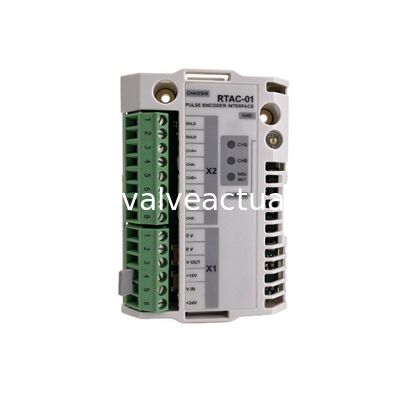
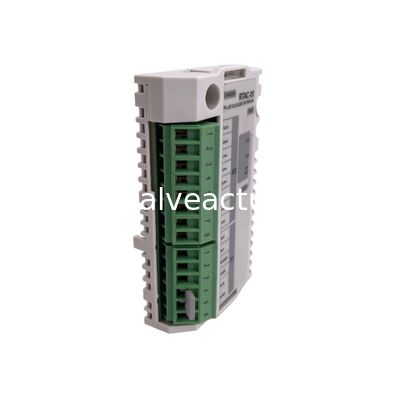
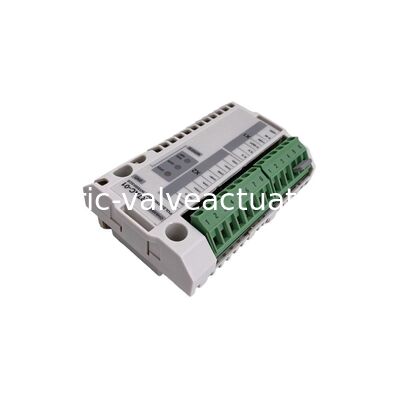
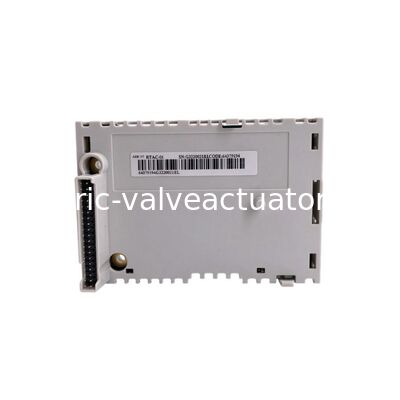
The ABB RTAC-01 Pulse Encoder Interface Module (3ABD64610805) is a dedicated interface component designed to integrate encoder-based feedback devices with compatible ABB drive and automation systems. It enables equipment to acquire motion-related information for accurate monitoring, coordinated motor control, and dependable production workflows.
The ABB RTAC-01 Pulse Encoder Interface Module supports feedback signal integration in compatible industrial drive and automation applications. As a specialized interface component, it helps connect encoder-based feedback devices with drive control systems, enabling equipment to obtain motion-related information for operational monitoring and control.
In industrial environments, accurate feedback plays an important role in coordinating motor movement and maintaining consistent machine performance. Encoders provide information about rotational movement and position, allowing compatible drive systems to interpret machine behavior and respond to changing operating conditions. The RTAC-01 supports this process by providing an interface between feedback equipment and the wider drive control architecture.
For manufacturers operating automated machinery, effective feedback integration is essential for achieving predictable motion and dependable production workflows. By incorporating a suitable encoder interface into a compatible system, engineers can establish a more coordinated relationship between motor operation, feedback acquisition, and drive control functions.
Modern industrial machinery frequently relies on feedback devices to monitor movement and support controlled motor operation. Applications involving conveyors, production equipment, material handling machinery, and automated manufacturing systems can benefit from feedback arrangements that help the drive system interpret motion-related information.
The ABB RTAC-01 is intended to support encoder feedback integration within compatible drive installations. By facilitating the connection between feedback equipment and the drive architecture, it contributes to the collection of information used by the control system to manage motor behavior.
Reliable feedback integration also helps engineers develop a clearer understanding of how motion-related components interact within an automation installation. When the interface, encoder, drive, and control configuration are properly matched, the resulting system can support more consistent operation and easier equipment supervision.
The RTAC-01 can be considered for compatible industrial applications where encoder feedback forms part of the motor control arrangement. Manufacturing equipment often requires coordinated movement to support product handling, positioning, and repetitive mechanical operations.
Potential application environments include:
In these settings, feedback devices can provide useful information for monitoring motor movement and supporting control strategies. The appropriate interface component helps establish the necessary connection within the drive system, allowing engineers to incorporate feedback functionality into their equipment designs.
Actual suitability depends on the specific drive model, encoder type, connection requirements, and intended control application. Reviewing the relevant ABB technical documentation is recommended before installation or replacement.
A well-organized drive feedback architecture can contribute to effective equipment maintenance and troubleshooting. When feedback components are correctly integrated, technicians can more easily investigate motion-related issues and assess the relationships between encoders, drive hardware, and machine operation.
The ABB RTAC-01 is a relevant component for maintenance teams managing compatible drive installations. During equipment servicing, technicians should inspect the interface module and associated connections for signs of damage, improper installation, or other conditions that may affect reliable operation.
Maintaining accurate records of drive configurations and installed components can also simplify future service work. For replacement applications, confirming the complete product identification and checking compatibility with the original system can help reduce installation errors and unnecessary downtime.
ABB provides a broad range of industrial automation and drive technologies designed to support manufacturing operations across different industries. Components that facilitate feedback integration form an important part of developing coordinated drive installations.
The RTAC-01 can contribute to a compatible ABB drive configuration by supporting the connection of encoder feedback equipment. Its role within the wider system helps engineers organize motion-related interfaces while maintaining consistency with the selected drive architecture.
For system integrators and machine builders, selecting appropriate interface components during the design stage can simplify integration planning and help establish a maintainable equipment configuration. For existing installations, the correct replacement module can support restoration of the original feedback arrangement when properly matched to the application.
The ABB RTAC-01 Pulse Encoder Interface Module is a practical option for industrial users seeking to maintain or develop compatible drive control systems that use encoder feedback. Its dedicated interface function supports motion information acquisition and contributes to coordinated motor control.
It is relevant to:
The ABB RTAC-01 Pulse Encoder Interface Module supports encoder feedback integration in compatible industrial automation and drive control systems. By helping connect feedback devices with drive equipment, it contributes to organized motion control architecture, operational monitoring, and maintainable machine installations.
Verifying product compatibility and following the manufacturer's installation guidance are essential steps when selecting this module for equipment maintenance, system upgrades, or new automation projects.