logo

products details

Created with Pixso. Home Created with Pixso. Products Created with Pixso.
Electronic Control Relay
Created with Pixso.

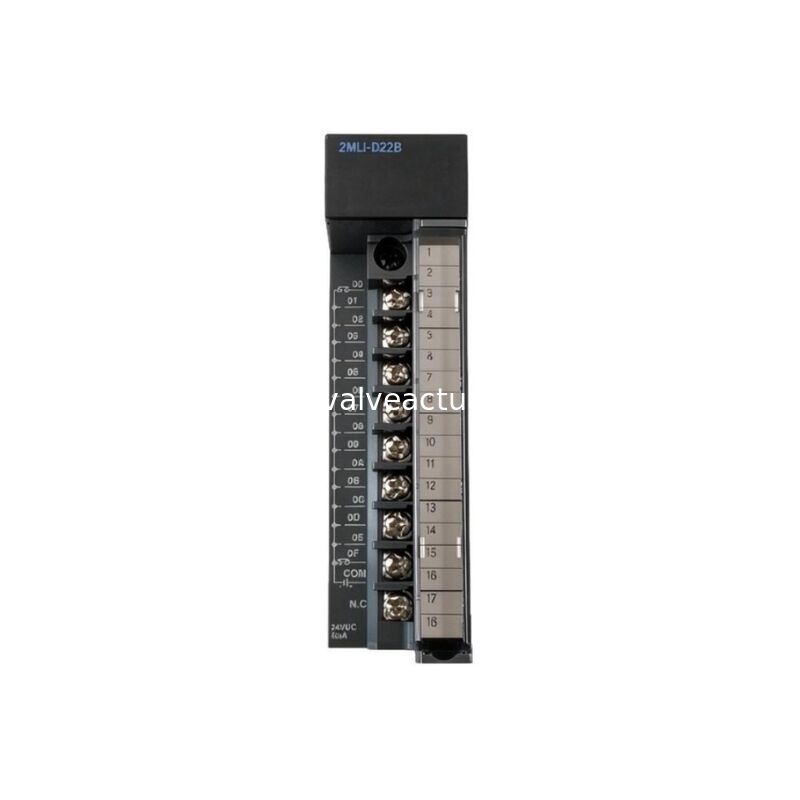
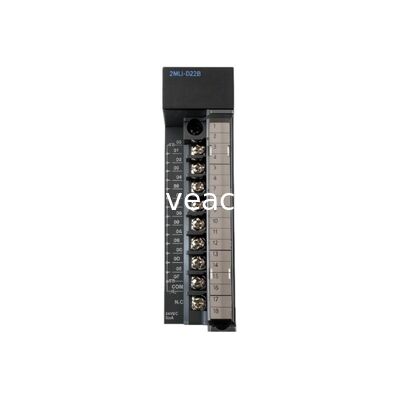
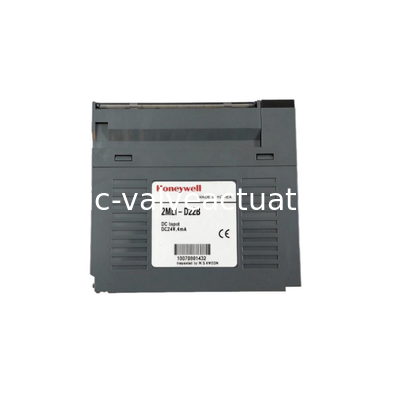
Honeywell 2MLI-D22B Digital Input Module | Industrial Automation

Honeywell 2MLI-D22B Digital Input Module | Industrial Automation

Brand Name: Honeywell
Model Number: 2MLI-D22B
MOQ: 1
Price: Negotiation
Detail Information
Place of Origin:
OEM
Input Type:
Digital Input
Rated Input Voltage:
DC 24 V.
Input:
16 Points
Input Configuration:
Current Source Input'
Packaging Details:
New original box
Highlight:

Honeywell 2MLI-D22B digital input module

,

industrial automation input module

,

electronic control relay module

Product Description
Product Overview

The Honeywell 2MLI-D22B Digital Input Module is designed to support signal acquisition in industrial automation environments, providing an essential connection between field devices and centralized control equipment. As part of an industrial input and output system, it helps transfer discrete status information from connected devices into the automation platform, allowing control applications to monitor equipment conditions and coordinate operational activities.

In automated production environments, dependable information exchange is fundamental to maintaining consistent workflows. Industrial machines, sensors, switches, and other field components continuously provide information about their operating states. The Honeywell 2MLI-D22B helps incorporate this information into the control architecture, supporting equipment supervision and enabling automation systems to respond appropriately to changes in field conditions.


Supporting Efficient Automation Operations

Digital input technology plays an important role in transforming physical equipment conditions into information that control systems can process. The Honeywell 2MLI-D22B supports this process by providing an interface for collecting discrete signals from connected industrial devices. These signals can represent equipment status, operator commands, switching events, or other conditions relevant to automated operations.

By integrating field information into a centralized control environment, the module helps improve operational awareness and supports coordinated machine activity. Control engineers can use incoming signals as part of programmed logic, equipment sequencing, and process supervision strategies. This arrangement contributes to a more organized automation structure and helps reduce dependence on manual observation alone.

The module is suitable for applications where clear signal pathways and consistent communication between field equipment and controllers are important. When incorporated into a properly configured system, it helps establish a dependable foundation for automated monitoring and control functions.


Integration into Industrial Control Architectures

The Honeywell 2MLI-D22B can be considered for compatible automation installations that require digital signal collection. Its function within the control system is to connect field-level information with the wider processing environment, allowing different devices and operational stages to work together.

For automation engineers, successful integration involves more than selecting an individual component. The module should be evaluated in relation to the installed controller, system architecture, field wiring, signal characteristics, and overall application requirements. Careful planning helps ensure that the selected equipment works appropriately within the intended installation.

In both new automation projects and existing facility upgrades, digital input modules contribute to a structured approach to system design. They help organize incoming field signals and make those signals available for monitoring, logic execution, and operational coordination. This functionality is particularly valuable in facilities where numerous machines and field devices must operate as part of a connected production process.


Applications Across Industrial Environments

The Honeywell 2MLI-D22B Digital Input Module may be used in compatible manufacturing systems, automated machinery, assembly operations, packaging equipment, and industrial process installations. In these environments, digital signals can provide information about machine readiness, equipment activity, switching conditions, and operator interaction.

Within production lines, input signals help automation systems coordinate individual operations and recognize changes in equipment status. In process-oriented facilities, field information can support routine supervision and help operators maintain awareness of system conditions. Material handling applications may also benefit from collecting discrete signals associated with equipment movement and operational sequences.

The module can form part of a broader automation solution that includes controllers, monitoring interfaces, field instruments, and other input and output components. Its specific role depends on the requirements of the application and the configuration of the overall system.


Maintenance and Operational Reliability

Maintaining an industrial control system requires a clear understanding of its electrical connections and component relationships. When installing or replacing the Honeywell 2MLI-D22B, technicians should confirm compatibility with the existing automation platform and follow the applicable manufacturer documentation. Proper wiring, appropriate installation practices, and functional verification are important steps in establishing dependable operation.

Organized maintenance records can also simplify future troubleshooting. Documenting module locations, field device connections, and controller configurations helps maintenance personnel identify potential issues and plan replacement activities more efficiently. Periodic inspection of associated wiring and connected equipment further supports effective system management.


Conclusion

The Honeywell 2MLI-D22B Digital Input Module provides a practical solution for collecting discrete field signals within compatible industrial automation systems. By linking field devices with centralized control infrastructure, it supports equipment monitoring, operational coordination, and structured process supervision.

For manufacturers, automation integrators, and industrial maintenance teams, this module can be considered when developing or maintaining control systems that depend on dependable digital signal acquisition. Appropriate system selection, careful integration, and consistent maintenance help support stable automation performance and long-term operational efficiency.