logo

products details

Created with Pixso. Home Created with Pixso. Products Created with Pixso.
Electronic Control Relay
Created with Pixso.

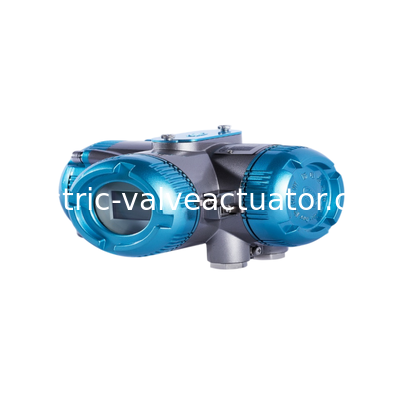
Chuanyi HVP3 Series Valve Positioner with 4–20mA Input Signal for Industrial Pneumatic Valve Control and Process Automation

Chuanyi HVP3 Series Valve Positioner with 4–20mA Input Signal for Industrial Pneumatic Valve Control and Process Automation

Brand Name: Chuanyi
Model Number: HVP3 Series
MOQ: 1
Price: Negotiation
Detail Information
Place of Origin:
OEM
Input Signal:
4-20mA And Digital Signal
Input Impedance:
450 Ω
Accuracy Level:
Level 0.5
Gas Source Pressure:
0.2~0.6MPa
Gas Consumption:
≤0.6NL/min
Trip:
10-100mm (turning Angle 60-120 °)
Environmental Temperature:
-40~+80°C
Explosion Proof Type:
Intrinsic Safety Type/Intrinsic Safety Dust Type/Explosion Proof Type/Dust Enclosure Type
Protection Level:
IP66
Packaging Details:
New original box
Highlight:

HVP3 valve positioner 4–20mA

,

pneumatic valve positioner industrial

,

valve positioner process automation

Product Description
Product Overview

The Chuanyi HVP3 Series Valve Positioner is engineered for reliable control of pneumatic control valves in industrial process automation systems. It serves as the interface between the control system and the pneumatic valve actuator, translating electrical control commands into precise valve movement so process equipment responds smoothly to changing operating conditions.

In automated production environments, accurate valve operation is critical for managing the flow of liquids, gases, steam, and other process media. The HVP3 Series receives a 4–20mA command signal from the automation system and works with the pneumatic actuator to adjust valve position accordingly — enabling continuous, automated production without manual intervention.

Key Features
  • 4–20mA input signal for precise electrical-to-pneumatic control
  • Compatible with a wide range of pneumatic control valves and actuators
  • Supports modulating control for gradual, responsive valve movement
  • Improves coordination between desired valve position and actual actuator response
  • Integrates easily into new automation projects and equipment modernization
  • Facilitates maintenance and troubleshooting through accessible pneumatic circuit checkpoints
Applications

The HVP3 Series is suitable for a broad range of industrial valve control applications, including:

  • Process pipelines and fluid handling systems
  • Chemical processing plants
  • Water treatment facilities
  • Energy and utility systems
  • Automated production lines
  • General factory automation

Wherever pneumatic control valves are part of an automated process, the HVP3 Series helps establish a responsive connection between process instrumentation and mechanical valve movement.

Operational Benefits

The HVP3 Series supports stable process operation by ensuring consistent valve movement, helping automation systems regulate flow, pressure, temperature, and liquid distribution with reduced fluctuations.

For system integrators and automation engineers, the positioner offers flexibility when developing pneumatic control solutions. It can be combined with pneumatic actuators, control valves, process controllers, and other instrumentation to create a fully integrated control loop.

When valve behavior does not match the control system command, the positioner and its associated pneumatic circuit provide useful checkpoints for verifying actuator operation and control performance — helping maintenance personnel identify and resolve issues efficiently.

Specifications
Parameter Detail
Series Chuanyi HVP3
Input Signal 4–20mA
Function Electro-pneumatic valve positioning
Compatibility Pneumatic control valves and actuators
Control Type Modulating (continuous positioning)
Application Environment Industrial process automation, fluid handling, chemical, water treatment, energy
Summary

The Chuanyi HVP3 Series Valve Positioner connects electronic control strategies with pneumatic valve actuation, delivering dependable performance for valve positioning, process regulation, and industrial automation. From fluid processing and utility systems to chemical plants and automated production lines, it is a practical component for modern industrial control applications.