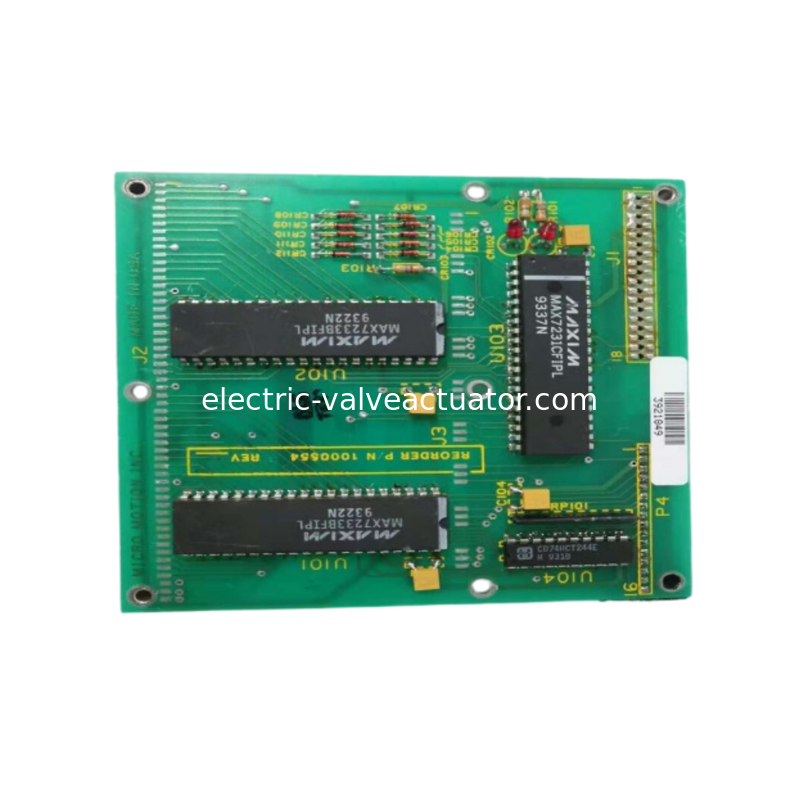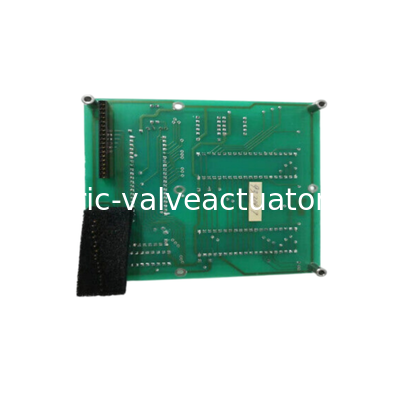
Emerson 1000554 Logic Controller PLC for Industrial Automation
The Emerson 1000554 Logic Controller PLC is an industrial automation component designed for applications that require dependable control, coordinated equipment operation, and efficient management of automated processes. As part of Emerson's industrial control product portfolio, this logic controller can be considered for projects involving programmable control, system integration, and the modernization of industrial machinery.
Supporting Industrial Automation and Process Control
Industrial production environments often involve complex operations that require accurate coordination between multiple machines and control devices. From manufacturing lines to material handling systems, automated equipment must perform tasks in a structured and predictable manner.
A programmable logic controller serves as a central element in many automation architectures. It receives information from connected devices, processes control instructions, and coordinates output actions according to the programmed logic. This allows industrial systems to respond to changing operating conditions while maintaining an organized workflow.
Improving Equipment Coordination
Efficient industrial automation depends on the ability of different devices to work together effectively. Sensors collect information from the production environment, while actuators and other output devices perform actions based on control instructions. The PLC helps coordinate these activities by managing the logic that connects inputs and outputs.
This type of control architecture can support a wide range of industrial tasks. Depending on the application, a logic controller may help manage equipment startup and shutdown sequences, coordinate machine movements, monitor operating conditions, and organize repetitive production activities.
Applications in Industrial Manufacturing
PLC technology is widely used across industrial sectors because of its flexibility and adaptability. Manufacturing facilities, packaging systems, assembly lines, material handling equipment, and process control installations commonly rely on programmable controllers to manage automated operations.
In a manufacturing environment, a logic controller may coordinate different stages of production and help maintain consistent operating procedures. It can also support the integration of equipment that performs different tasks within the same production workflow.
Supporting System Integration
Modern industrial automation often involves the integration of multiple control technologies. A PLC may operate alongside human-machine interfaces, industrial networks, remote I/O systems, motion control equipment, and supervisory software.
Successful integration requires careful planning and a clear understanding of how individual components interact. The logic controller must be compatible with the control architecture and capable of supporting the functions required by the application.
Flexible Solutions for Industrial Equipment Management
Industrial facilities frequently need to adapt their automation systems to changing production requirements. Equipment may need to be upgraded, control processes reorganized, or older components replaced with suitable alternatives.
Programmable logic controllers can support these efforts by providing a structured platform for managing automated functions. Depending on the system design, they may help improve process organization, simplify operational adjustments, and support the coordination of different production tasks.
Supporting Industrial Maintenance and Replacement
Reliable control equipment is an important part of maintaining efficient industrial operations. When a controller becomes unavailable or requires replacement, selecting a suitable component can help support the restoration of automated equipment and reduce unnecessary operational interruptions.
Before purchasing, users should carefully verify the product identity and confirm its compatibility with the intended system. Reviewing technical documentation, equipment records, and existing control configurations can help ensure that the selected component is appropriate for the application.
Contributing to Efficient Production Workflows
Industrial automation is closely connected to productivity, equipment reliability, and operational consistency. By coordinating control tasks and supporting communication between connected devices, PLC systems can contribute to more organized production environments.
A programmable controller may help reduce repetitive manual operations, improve the timing of equipment functions, and support the consistent execution of established production sequences. These benefits can be particularly valuable in industrial environments where multiple machines must work together.
A Component for Industrial Control Projects
Emerson is widely recognized for its involvement in industrial automation, process management, and control technologies. Its products are used across various industrial environments where equipment coordination and process supervision are important considerations.
When evaluating this product, users should focus on application suitability, system compatibility, and the requirements of the existing installation. Proper product identification is especially important when sourcing components for legacy automation systems.
Conclusion
The Emerson 1000554 Logic Controller PLC is an industrial automation component intended for applications involving programmable control and equipment coordination. By supporting the management of automated operations, PLC technology plays an important role in improving process organization and maintaining efficient industrial workflows.
For automation engineers, system integrators, and industrial maintenance professionals, selecting the right PLC is an important step in developing and maintaining effective control systems. Careful compatibility checks, appropriate installation procedures, and regular equipment management can help support dependable long-term operation.