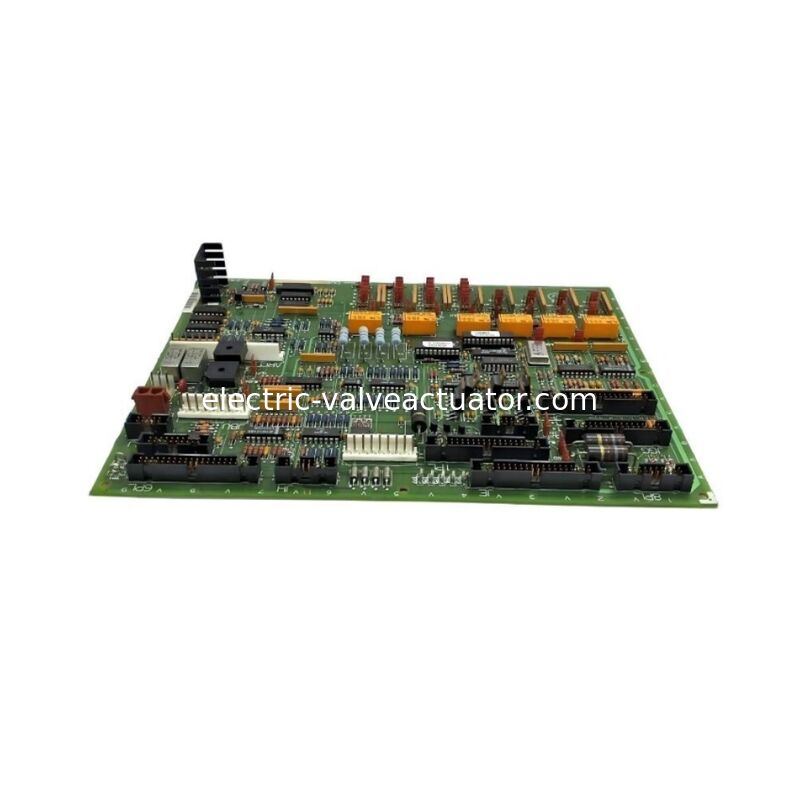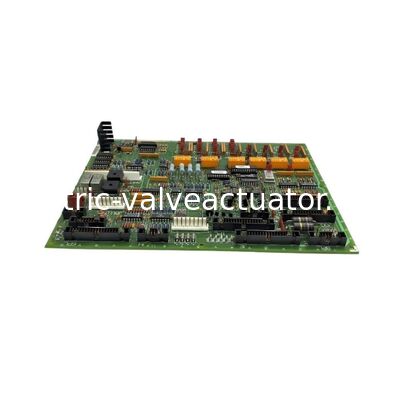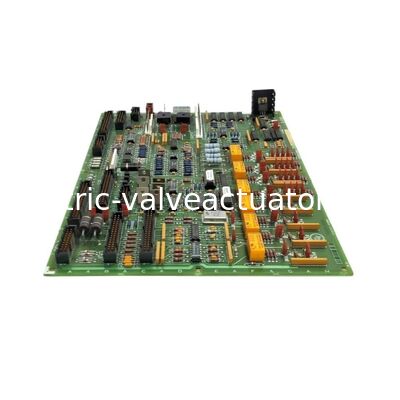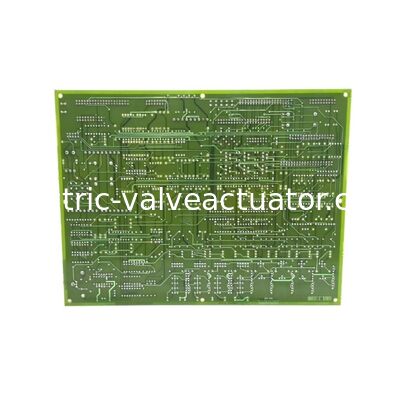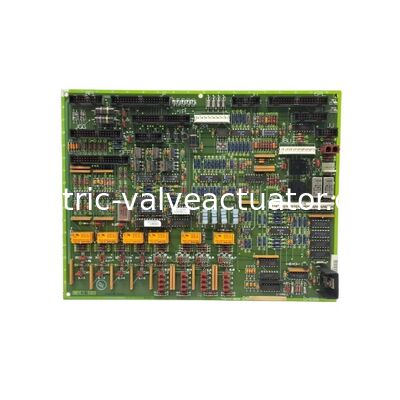
GE DS200TCQCG1BFE Mark V RST Overflow Board | GE Turbine Control Board
The GE DS200TCQCG1BFE Mark V RST Overflow Board is an industrial control component developed for turbine automation systems using the GE Mark V control platform. Designed as part of a larger turbine control architecture, this board supports the organized handling of control-related functions and contributes to reliable communication between different sections of an industrial automation system.
System Integration & Functionality
Turbine control environments require coordinated operation across numerous processes. From routine operating sequences to monitoring and protective functions, each part of the control system must work within an established framework. The DS200TCQCG1BFE provides a dedicated hardware element within this environment, helping maintain structured interaction between the control system and associated turbine functions.
The RST Overflow Board has an important role within the broader Mark V system architecture. Rather than operating independently, it works alongside other control boards and system components to support the flow and management of operational information. This integrated approach allows turbine control equipment to remain organized while supporting the requirements of complex industrial machinery.
Maintenance & Replacement Applications
For facilities maintaining legacy turbine automation systems, the availability of compatible replacement boards can be an important part of long-term maintenance planning. Industrial control systems are often expected to remain operational for extended periods, and individual electronic components may eventually require inspection, replacement, or refurbishment.
The board may also be useful in turbine control cabinet restoration and system refurbishment. When maintaining an established control architecture, replacing an individual board can sometimes be preferable to making extensive changes to the overall system. A compatible replacement can help maintenance personnel preserve the existing configuration while addressing hardware-related service requirements.
Spare Parts Management
Another consideration is spare-parts management. Turbine systems can support critical industrial processes, making preparedness an important aspect of plant maintenance. Keeping appropriate control hardware available can help maintenance teams respond more efficiently when a component requires replacement. The DS200TCQCG1BFE can form part of a broader inventory strategy for organizations supporting GE Mark V equipment.
Industry Applications
The board is particularly relevant to industries where turbine-driven equipment plays a central role in production or energy conversion. Power generation, industrial processing, manufacturing, and other heavy-duty environments may depend on established turbine control systems for continuous operation. In these applications, dependable control hardware contributes to the overall maintainability of the automation infrastructure.
Installation Considerations
When sourcing a GE DS200TCQCG1BFE, users should review the existing Mark V system configuration and verify compatibility with the intended installation before deployment. Board condition, system revision, application requirements, and installation procedures should also be considered as part of a professional replacement process. Proper evaluation helps reduce the risk of introducing an incompatible component into an established control environment.
Target Users
For maintenance organizations, system integrators, automation specialists, and industrial spare-parts suppliers, the GE DS200TCQCG1BFE offers a practical solution for supporting existing turbine control infrastructure. Its place within the Mark V architecture makes it relevant to equipment maintenance, control system restoration, replacement planning, and long-term asset support.
Overall, the GE DS200TCQCG1BFE Mark V RST Overflow Board is a specialized component for organizations working with GE turbine automation technology. By supporting the structured operation of the control system, it forms part of the hardware foundation required for maintaining established turbine control installations.