logo

products details

Created with Pixso. Home Created with Pixso. Products Created with Pixso.
Low Voltage Protection Devices
Created with Pixso.

YOKOGAWA nterface Module | Original FA-M3 PLC Automation Spare Part

YOKOGAWA nterface Module | Original FA-M3 PLC Automation Spare Part

Brand Name: YOKOGAWA
Model Number: YOKOGAWA
MOQ: 1
Detail Information
Place of Origin:
Germany
Highlight:

YOKOGAWA interface module FA-M3

,

PLC automation spare part

,

Low voltage protection module

Product Description
YOKOGAWA Interface Module | Original FA-M3 PLC Automation Spare Part
Product Overview

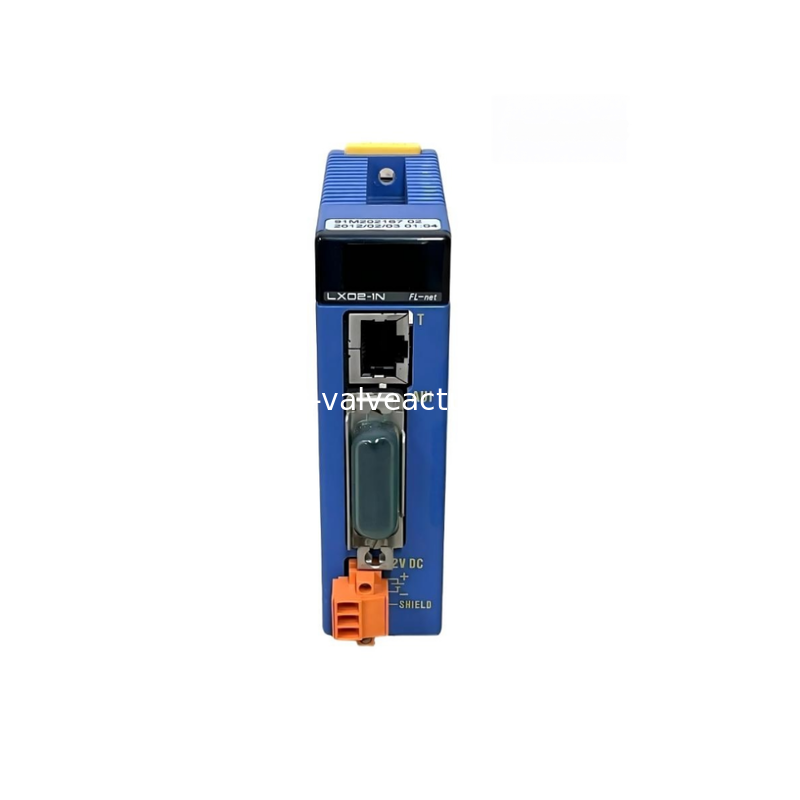
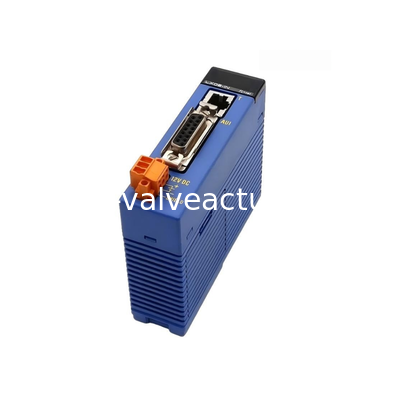
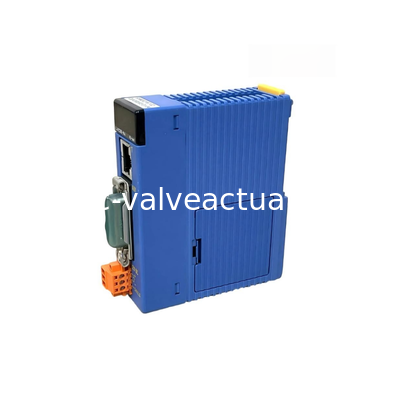
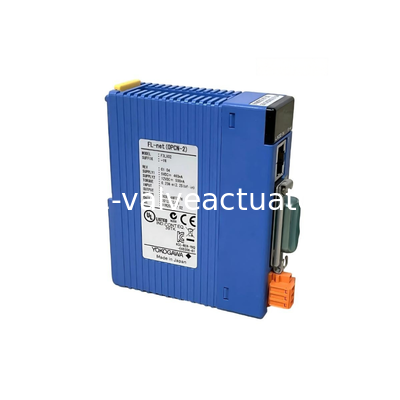
The YOKOGAWA F3LX02-2N Interface Module is an original FA-M3 PLC automation spare part that provides reliable interface connectivity between F3 series I/O modules and controllers to ensure continuous industrial operation.

Key Applications
  • Integrated into process automation systems for precise signal communication
  • Establishes signals between modules and main controllers in manufacturing plants
  • Supports system diagnostics and status monitoring for rapid fault detection
  • Suitable for security and control systems requiring stable module interfaces
  • Applied to industrial automation upgrades or expansions for seamless integration
Technical Advantages
  • Ensures stable communication between connected modules and controllers
  • High reliability in standard industrial environments with tolerance to temperature and humidity variations
  • Facilitates system diagnosis and monitoring to improve maintenance efficiency
  • Supports efficient control system expansion without performance impact
  • Compatible with Yokogawa F3 series modules for simplified integration
  • Compact and robust design ensures long-term operational stability
Industrial Performance

The YOKOGAWA Interface Module is a trusted automation component developed to support reliable communication and seamless integration within FA-M3 PLC systems. Designed to meet demanding modern industrial requirements, this original module helps manufacturers maintain efficient data exchange between controllers, field devices, and automation equipment.

Industrial automation depends on fast, accurate, and dependable communication. As production lines become more intelligent and interconnected, every control component plays a vital role in maintaining overall system performance. The YOKOGAWA Interface Module serves as a key connection point, enabling smooth interaction between different devices while supporting efficient control strategies.

Quality Assurance

As an original FA-M3 PLC spare part, this interface module is manufactured to match YOKOGAWA's quality standards. It integrates naturally with existing FA-M3 systems, minimizing compatibility concerns and simplifying maintenance procedures. For system integrators, maintenance engineers, and industrial operators, choosing an original component provides greater confidence in long-term reliability and stable system performance.

Industry Applications

The module is widely used across numerous industrial sectors including factory automation, machinery manufacturing, process control, packaging, material handling, food and beverage production, electronics assembly, automotive manufacturing, and energy management. Its flexibility supports various automation applications where dependable communication is essential for maintaining efficient production processes.

Maintenance Benefits

Maintenance teams value original replacement modules because they help reduce unexpected downtime and simplify repair work. Installing an authentic YOKOGAWA Interface Module helps restore normal operation quickly while maintaining the integrity of the existing control architecture, reducing risks associated with incompatible or non-original replacement parts.

System Integration

For companies expanding their automation infrastructure, the module provides an effective solution for system upgrades and modernization projects. It can be incorporated into existing FA-M3 installations while supporting future production requirements, allowing businesses to improve operational efficiency without replacing complete control systems.