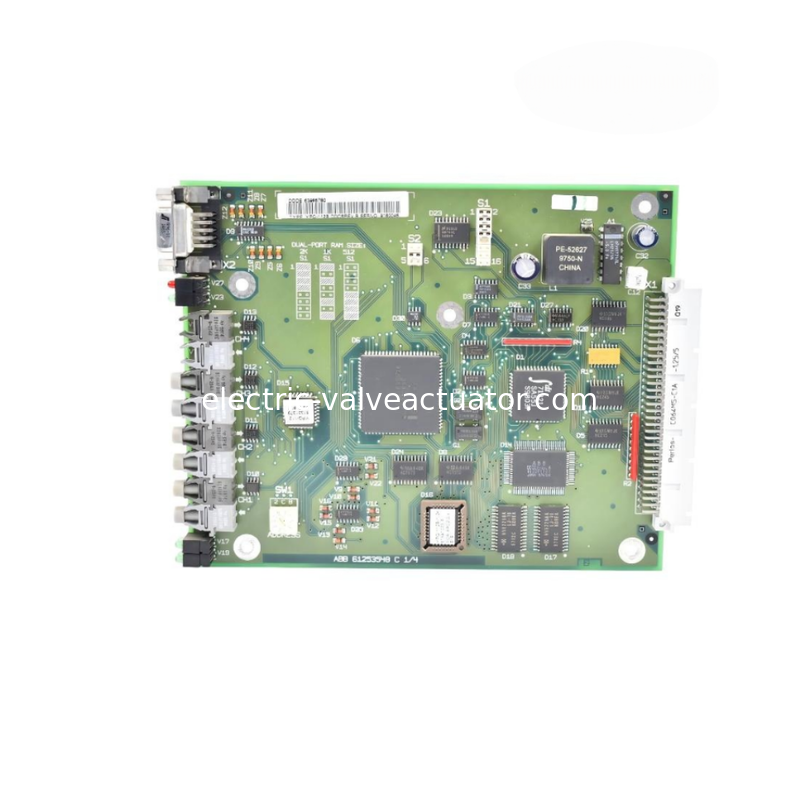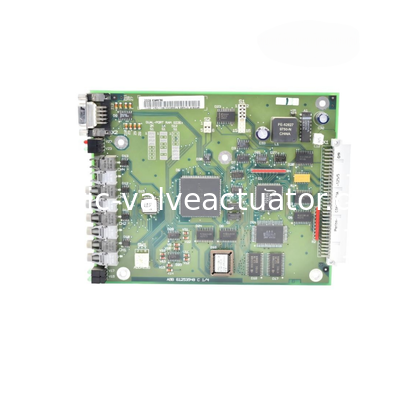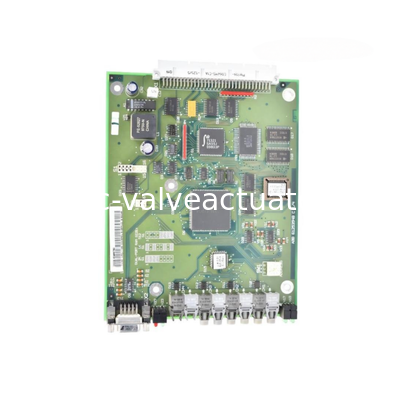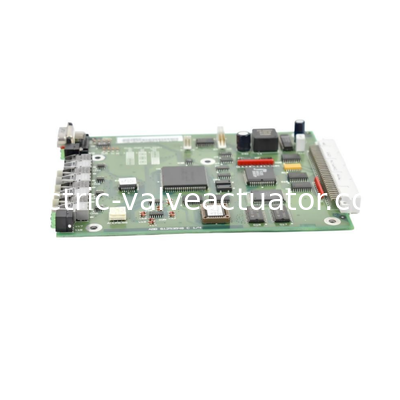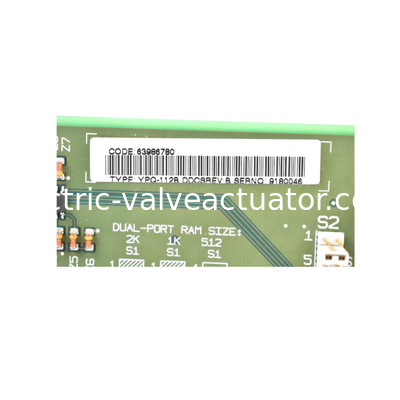
The ABB YPQ-112B Interface Adapter is a professional industrial communication module designed to establish stable data interaction channels for modern automation systems. This high-precision interface component serves as a critical bridge between core industrial equipment and control terminals, specializing in signal conversion, data transmission, and protocol matching for automated production facilities.
Key Features
Professional industrial communication circuit design with anti-jamming structure
Steady signal transmission in challenging factory environments
Powerful universal compatibility and flexible docking capability
Supports efficient protocol adaptation for multiple mainstream industrial control devices
Enables seamless connection between drives, controllers, and management systems
Excellent operational stability and low power consumption
Highly integrated internal structure simplifies communication circuit layout
Rigorous industrial-grade manufacturing for extended service life
Industrial Performance
Engineered for long-term continuous operation, the YPQ-112B delivers reliable performance even in environments with electromagnetic radiation, mechanical vibration, and temperature fluctuations. It prevents data loss, signal delay, and connection disconnection common with standard adapter modules, ensuring data integrity and real-time performance of equipment operation.
Application Benefits
The YPQ-112B interface adapter significantly enhances production system management intelligence by enabling real-time equipment data upload, remote instruction reception, and operational state feedback. It provides the foundation for automated monitoring, fault early warning, and precise production scheduling while reducing equipment standby faults caused by communication anomalies.
As an original communication accessory for ABB industrial automation systems, the YPQ-112B module offers reliable quality, strong adaptability, and outstanding practicality. It meets modern industrial automation networking and data transmission requirements, helping enterprises build more stable, efficient, and intelligent industrial control systems.